

The evidence behind the approach
The Institute of Neuro-Physiological Psychology (INPP) approach is grounded in a rapidly growing body of scientific evidence on neurodevelopment and the role of primitive reflexes in learning and behaviour.
Below is a selection of books and research articles for anyone who would like to explore the evidence and theory in more depth.
Books
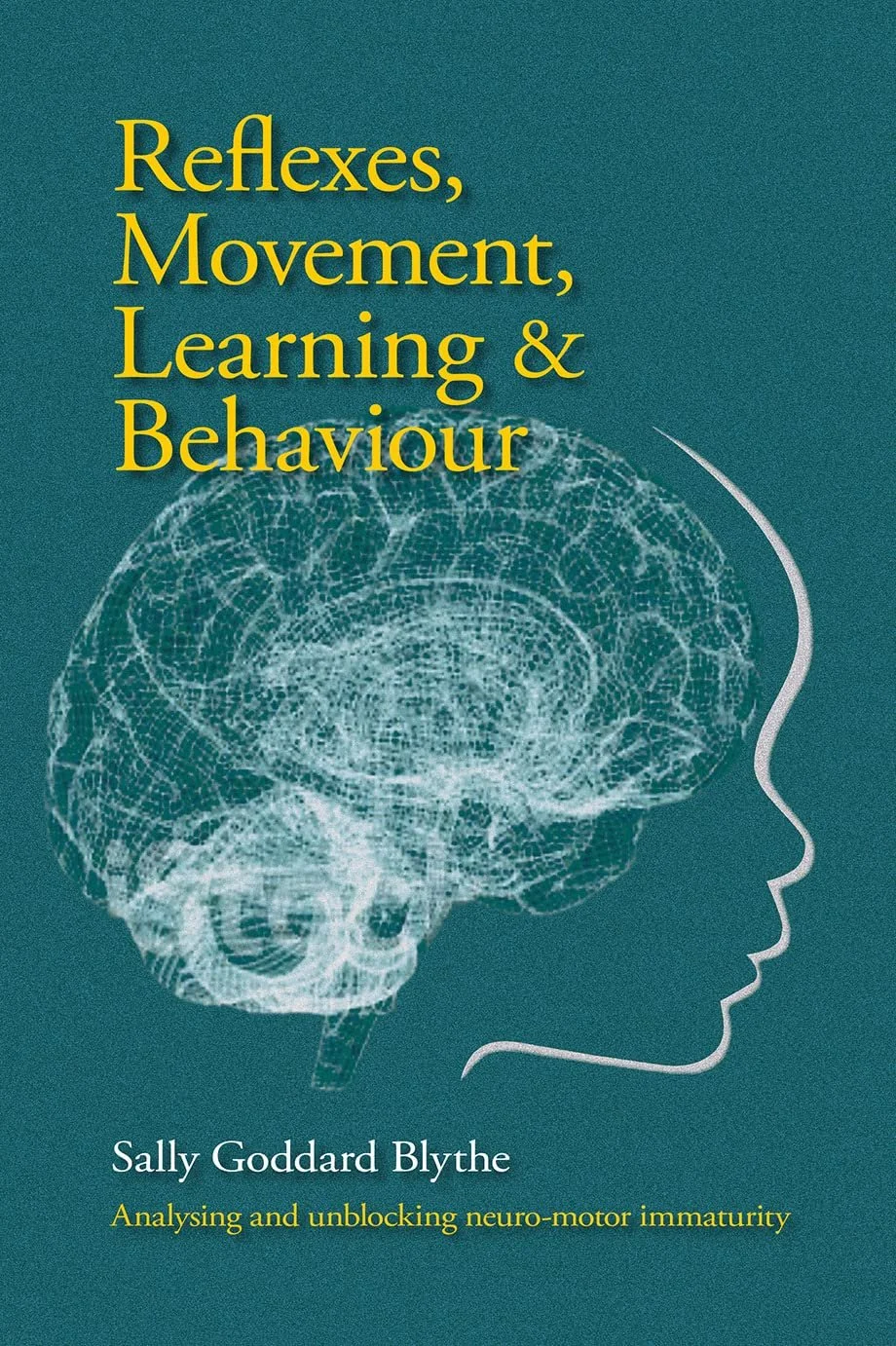
Reflexes, Movement, Learning & Behaviour: Analysing and unblocking neuro-motor immaturity by Sally Goddard Blythe is the best introduction to neuro-development available. Drawing on the rapidly expanding science of neuroplasticity, it explains how supporting primitive reflexes to integrate helps higher-level skills become less effortful.
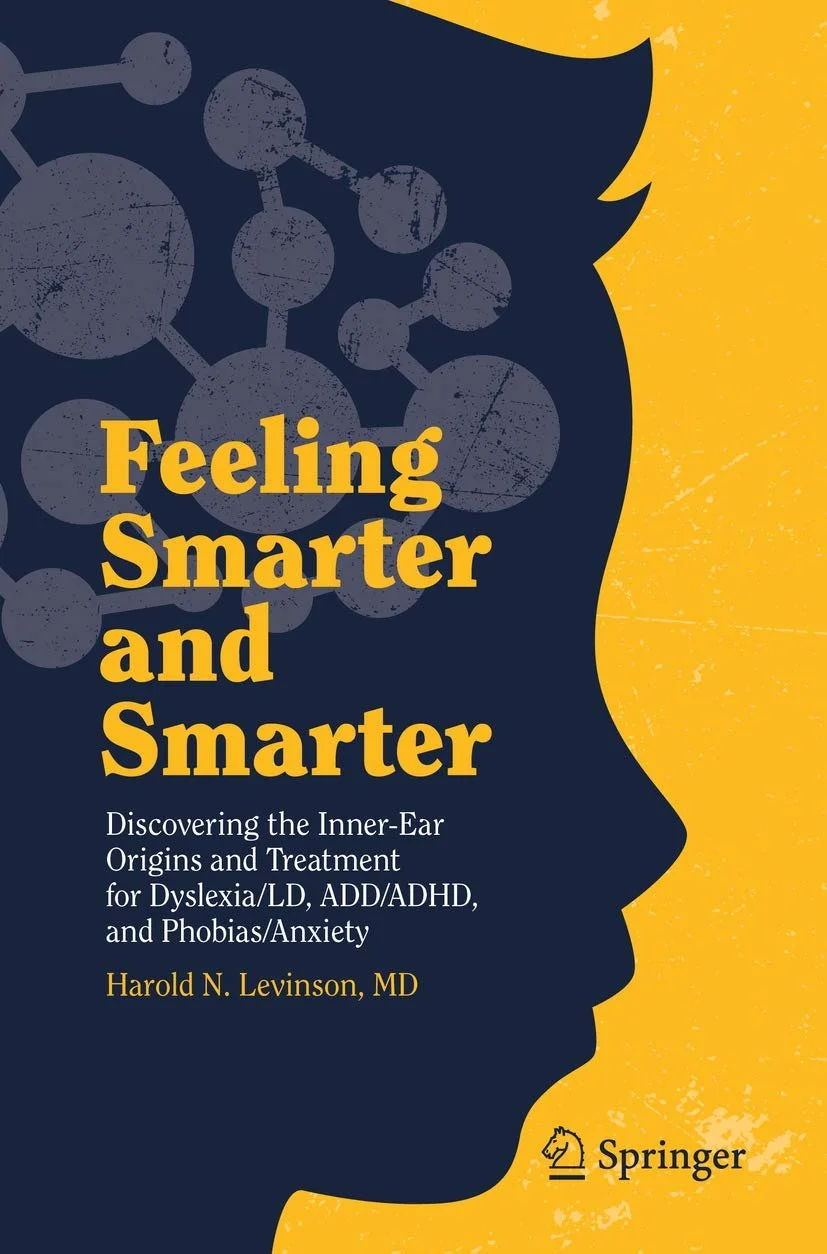
Feeling Smarter and Smarter: Discovering the Inner-Ear Origins and Treatment for Dyslexia/LD, ADD/ADHD, and Phobias/Anxiety by Harold N. Levinson MD draws on over 50 years of clinical research to argue that many learning difficulties and chronic anxiety start with how the inner ear and the brain's balance centre work together, and not with a person's underlying intelligence. That's the same emphasis on the inner ear (the site of the body’s critical organs for balance) that INPP places at the very base of early development. Coming from a medical doctor working from an entirely different angle, it's a compelling, independent case for why getting the inner ear right matters so much.
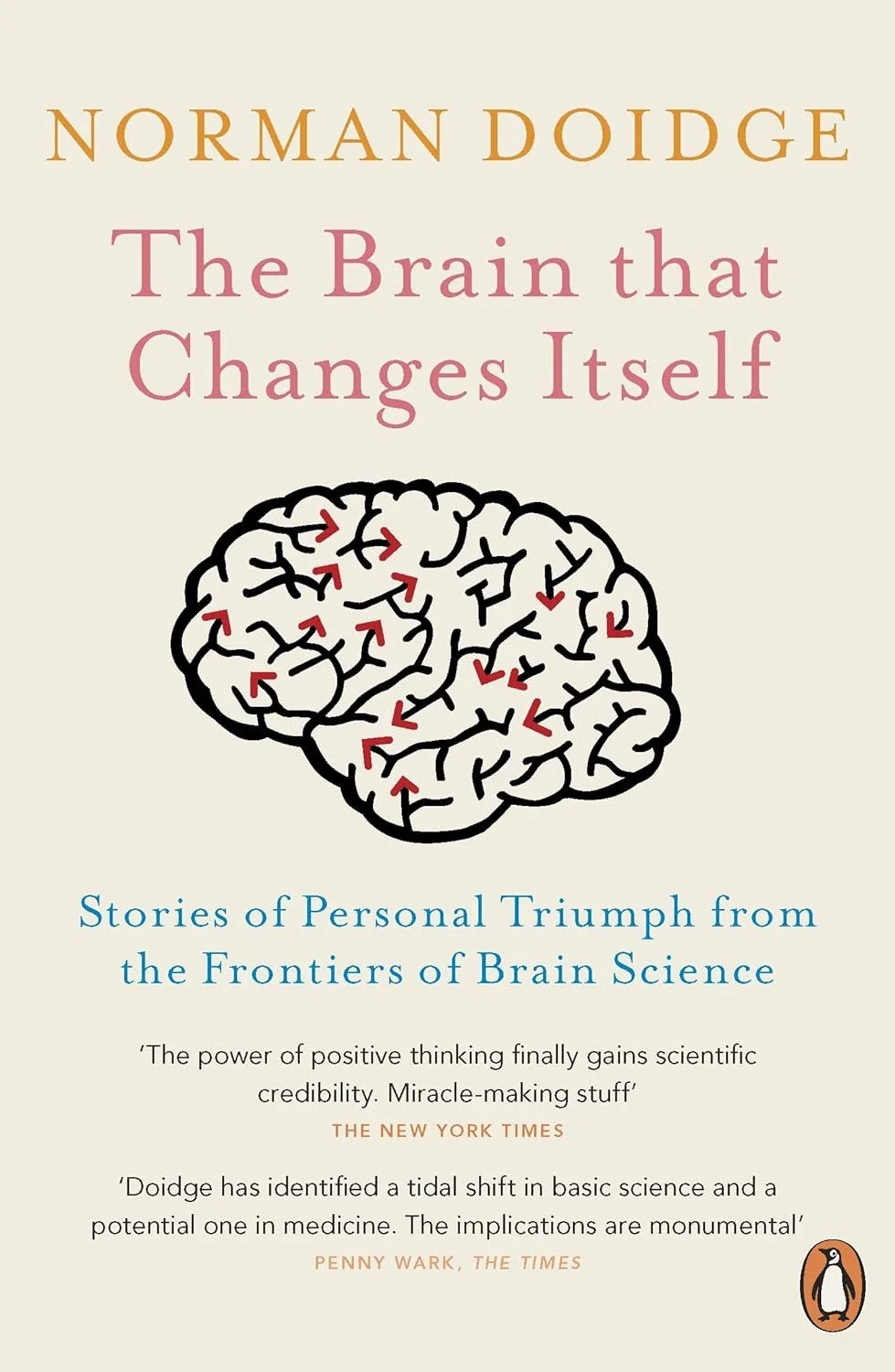
The Brain That Changes Itself: Stories of Personal Triumph from the Frontiers of Brain Science by Norman Doidge is a widely-respected book that explains the exciting science of neuroplasticity, useful for parents (or referring professionals) who want to understand better how the brain can change.
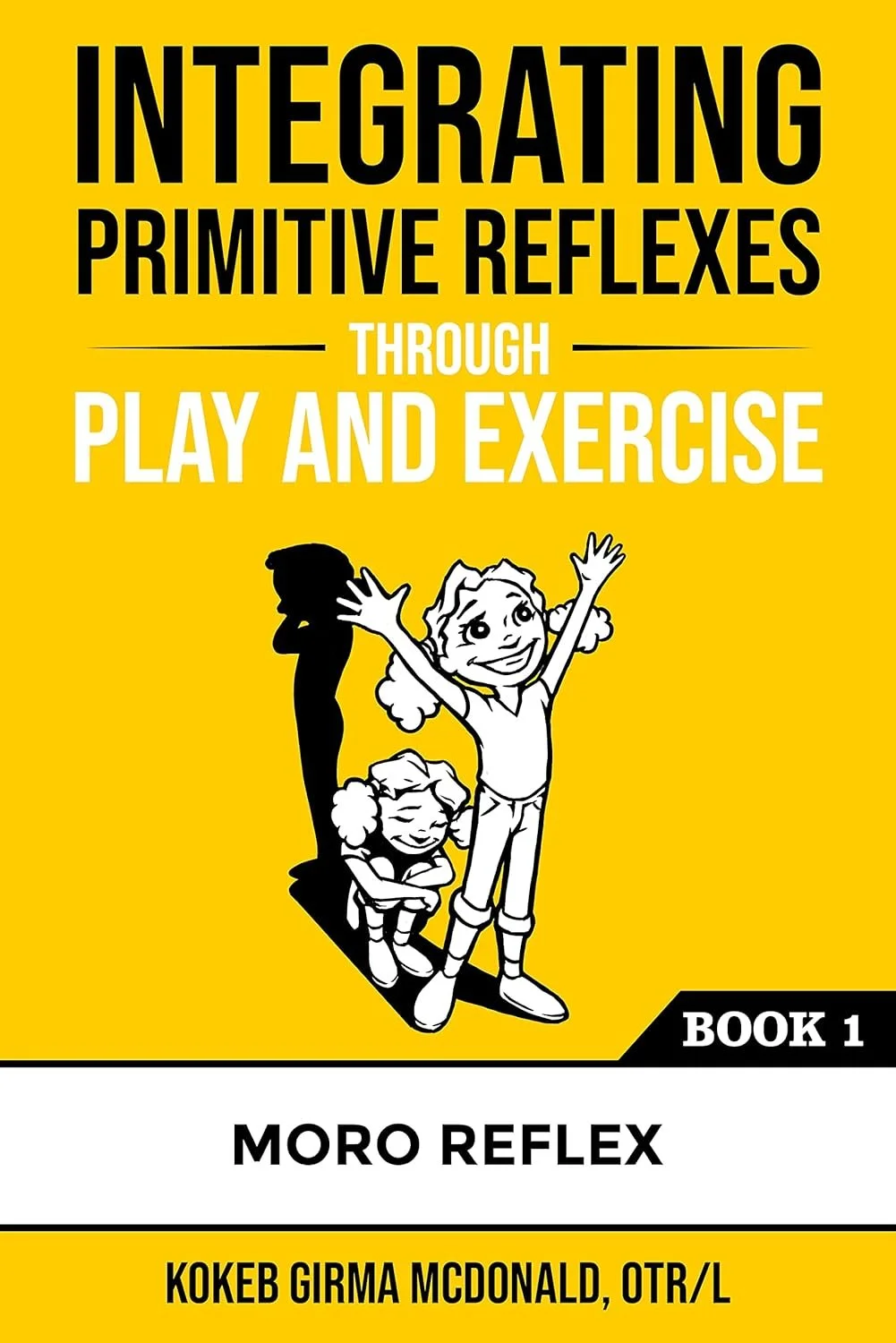
Integrating Primitive Reflexes Through Play and Exercise: An Interactive Guide for Parents, Teachers, and Service Providers by Kokeb Girma McDonald, a paediatric occupational therapist, is a series of books offering ingenious play-based activities to support reflex integration.
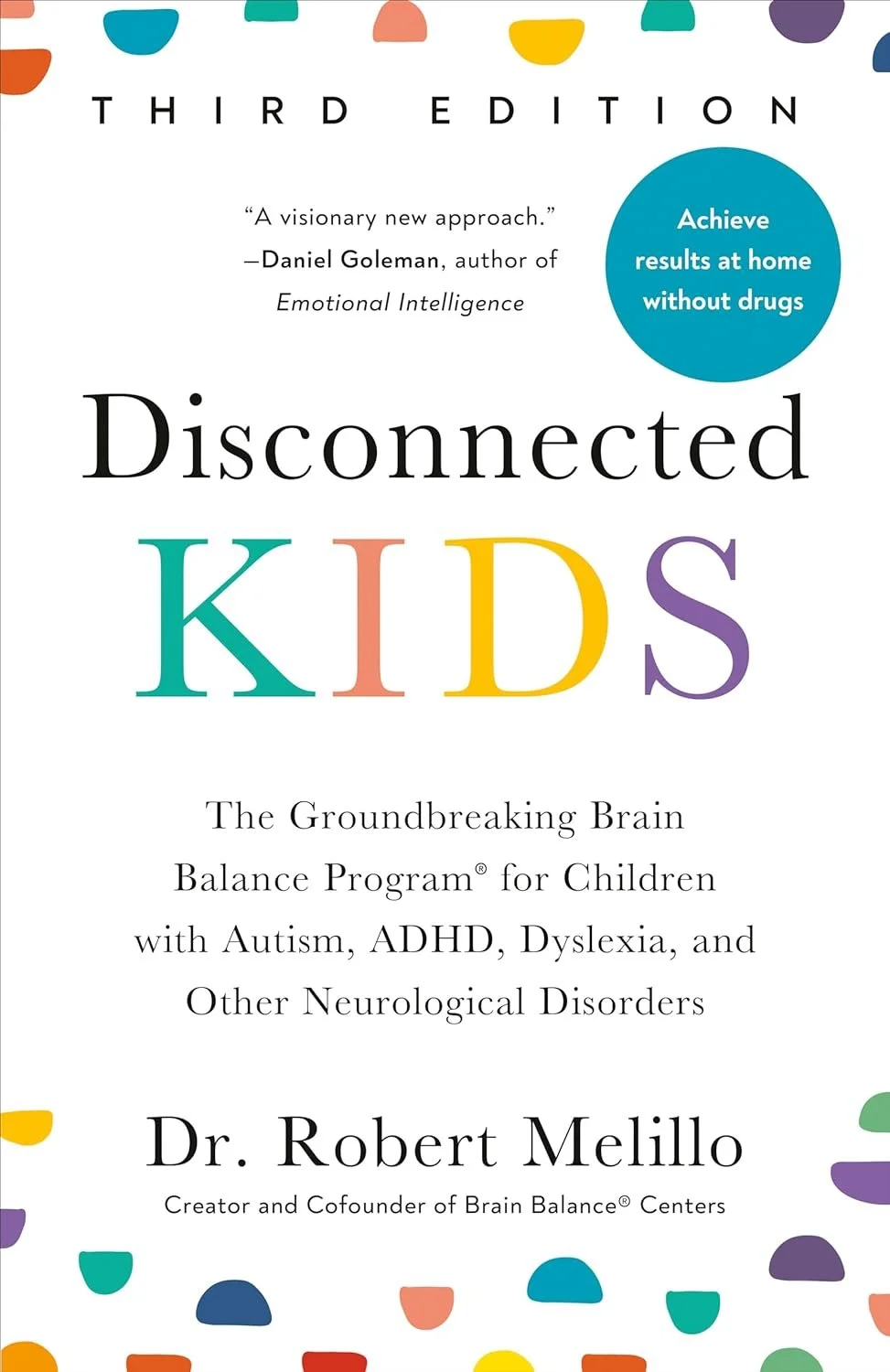
Disconnected Kids (Third Edition): The Groundbreaking Brain Balance Program for Children with Autism, ADHD, Dyslexia, and Other Neurological Disorders by Dr. Robert Melillo is worth a read. Its most recent edition has been updated to reflect the growing evidence on the fundamental importance of retained primitive reflexes in children who show difficulties across learning and everyday life. Although it’s a different model to the INPP approach, it's aligned in many ways and offers a useful complementary read for parents wanting more background information.
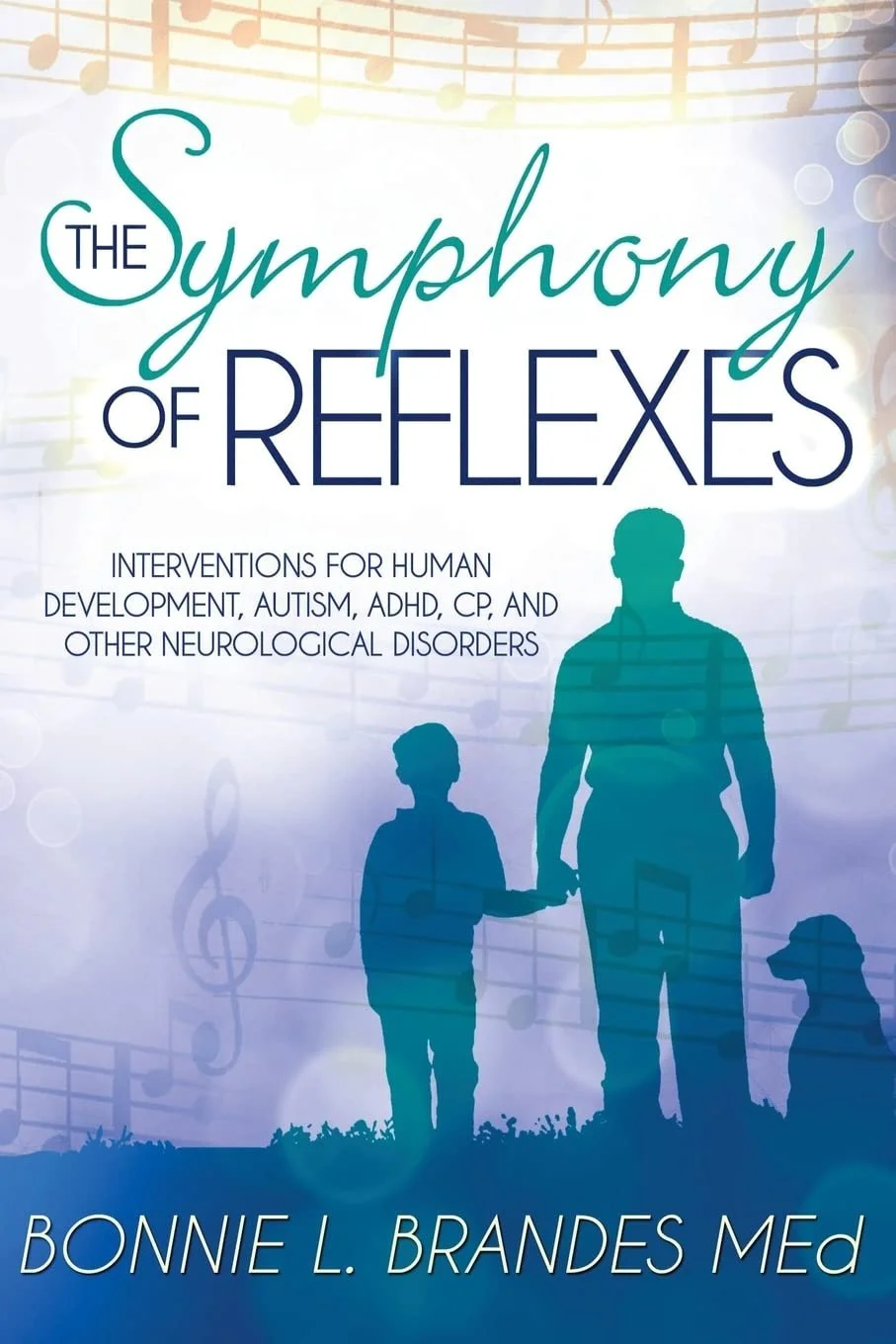
The Symphony of Reflexes: Interventions for Human Development, Autism, ADHD, CP, and Other Neurological Disorders" by Bonnie Brandes is a useful resource for understanding how unintegrated primitive reflexes impact neurological, cognitive, and social development in children and adults.
Academic articles
2025
Stephens-Sarlós E, Stephens P & Szabo A
Child & Youth Care Forum, 54: 323–352.
Tashiro Y et al.
Children, 12(8): 987.
2024
Pérez-Rey J, Fanlo-Mazas P & Gil-Calvo M
Children, 11(2): 156.
2023
Grigg TM, Culpan I & Fox-Turnbull W
Primitive reflex integration and reading achievement in the classroom.
Journal of Neurology and Experimental Neuroscience, 9(1): 18–26.
Kalemba A, Lorent M, Goddard Blythe SA & Gieysztor E INPP
International Journal of Environmental Research and Public Health, 20(3): 2322.
2022
Richards L, Avery R, Gray S & Price R
Relationship of retained primitive reflexes and handwriting difficulty in elementary-age children.
American Journal of Occupational Therapy, 76(Supplement 1).
Feldhacker DR, Cosgrove R, Feiten B, Schmidt K & Stewart M
Journal of Occupational Therapy, Schools & Early Intervention, 15(3): 288–301.